
EU4Dual teacher and researcher network newsletter – Vol. 2
Stay connected with the latest in dual higher education across Europe Key highlights Research Spotlight: Horizon Europe 2026: The 2026–2027 work programme provides over €14 billion for research and innovation. Three key clusters stand out for EU4Dual researchers: EU4Dual Research Collaboration: Partner universities have strengthened collaboration with joint research proposals tackling Grand Challenges. These include […]
EU4Dual teacher and researcher network newsletter – Vol. 1
Stay connected with the latest in dual higher education across Europe Key highlights from this issue: Our newsletter for teachers and researchers EU4Dual connects nine European universities to strengthen dual higher education through practical collaboration. This newsletter is for teachers wanting to refresh their methods, researchers looking for publication options, and staff interested in international […]
ESTABLISHING LOGISTICS START-UP COMPANIES: THE ROLE OF INSTITUTIONS

The article examines the macroeconomic role of institutions in encouraging logistics start-up companies in the transportation and warehousing sector. It assumes start-ups succeed better in countries with high-quality institutional systems. Using comparative analysis and econometric models, the study compares statistical data of EU member states, integrating indices like the World Governance Indicator and Human Development Index to demonstrate the crucial role of institutions in fostering successful logistics ventures.
MINERAL ELEMENT CONTENT OF ORGANICALLY VERSUS CONVENTIONALLY GROWN STRAWBERRIES

Fruit mineral content is vital to human health, with strawberries being rich in K, P, Mg, and Ca. This research compared organic and conventional strawberries grown on adjacent plots, utilizing microbial biostimulants. Results showed minor differences in mineral content, with bacterial inoculants enhancing uptake. However, no consistent nutritional advantage was found for organic fruits over conventional ones in terms of micronutrient content, suggesting that complex environmental factors heavily influence the final composition.
CALCULATION OF THE ECOLOGICAL FOOTPRINT OF JOHN VON NEUMANN UNIVERSITY

Integrating sustainability is crucial for universities, which play a pivotal role in shaping students’ values and worldviews regarding future generations. Recognizing this responsibility, a growing number of higher education institutions are implementing dedicated green initiatives to minimize their ecological footprint. This paper provides a comprehensive analysis of the ecological footprint of John von Neumann University, offering insights into its sustainability efforts and their broader implications.
Modeling The Dynamics Of Digital Skills Development In Hungary And The EU: A Markov Chain Approach

This paper models digital skills dynamics in Hungary and the EU using Markov Chains, a novel method for tracking skill level transitions. Based on the 2017–2022 DESI data, the study highlights significant disparities between Hungary and the EU in ICT training and specialization. The analysis provides policymakers with essential insights into skill gaps, aiding the development of concrete actions to support Hungary’s digital transformation and future workforce strategies.
KUT-SAVONIA Coil Project in Language Learning (March 2025)

This Collaborative Online International Learning (COIL) project between KUT and Savonia aimed to enhance students’ language skills and teamwork in an international environment. Participants joined online meetings and collaborated in smaller groups. Their final task was to create audio or video presentations on logistics-related topics, such as automation and international team management, fostering cross-cultural competence and knowledge exchange.
Stock Exchange School Courses for Students (April – June 2025)
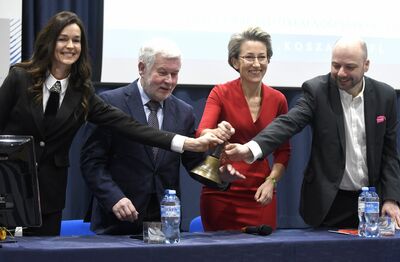
Koszalin University of Technology (KUT), in collaboration with the Warsaw Stock Exchange Foundation, launched its Stock Exchange School. The program offers hybrid courses—’Investment Basics’ and ‘Stock Exchange for Intermediate Investors’—aimed at spreading financial knowledge. The initiative links financial education with the principles of sustainable development and socially responsible investing (SRI), supporting the Green Economy (GE) cluster. Graduates receive microcredentials from KUT.
Publication “Digital Skills in the Future of Work”
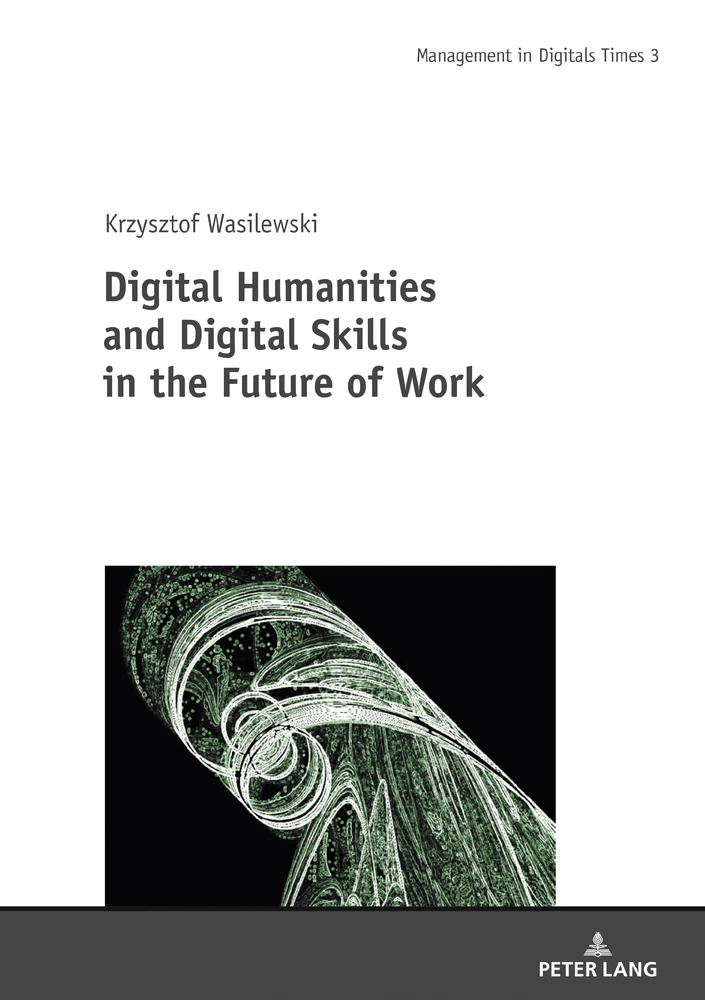
The publication “Digital Humanities and Digital Skills in the Future of Work” explores the evolving role of digital humanities in shaping future workplaces. Contributed by scholars from EU4Dual and Ukrainian institutions, the volume examines how digital skills and technologies like AI and Industry 4.0 influence science, labor, and cultural heritage. Emphasizing applied and collaborative research, it offers insights into the practical integration of digital humanities in education and industry, addressing key future work trends.
Conference “Digital Skills in the Future of Work” (June 2024)
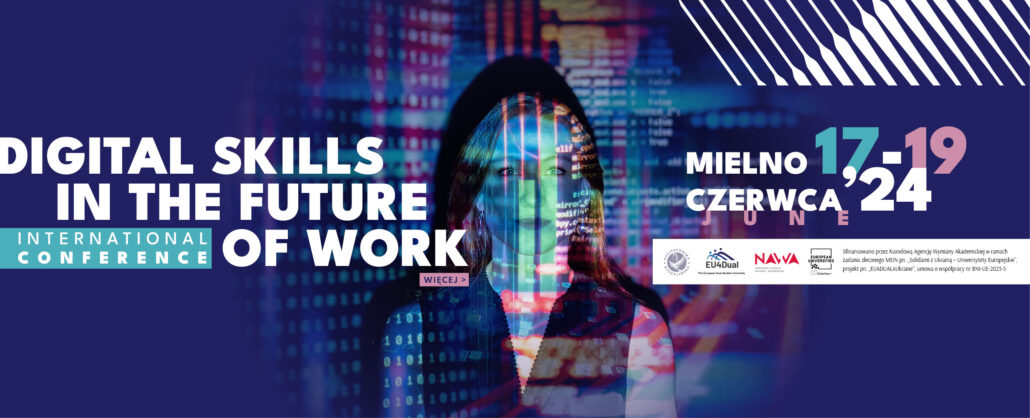
The conference focused on EU4Dual’s priorities, aiming to exchange knowledge and enhance cooperation between EU4Dual and Ukrainian universities under the EU4DUAL4Ukraine project. It addressed the Future of Work, digital skills, and the role of AI in dual education. The event included contributions from European partners and businesses, presented preliminary research results, and hosted the first Grand Challenges Forum, fostering dynamic, transnational dialogue.