
Modeling The Dynamics Of Digital Skills Development In Hungary And The EU: A Markov Chain Approach

This paper models digital skills dynamics in Hungary and the EU using Markov Chains, a novel method for tracking skill level transitions. Based on the 2017–2022 DESI data, the study highlights significant disparities between Hungary and the EU in ICT training and specialization. The analysis provides policymakers with essential insights into skill gaps, aiding the development of concrete actions to support Hungary’s digital transformation and future workforce strategies.
KUT-SAVONIA Coil Project in Language Learning (March 2025)

This Collaborative Online International Learning (COIL) project between KUT and Savonia aimed to enhance students’ language skills and teamwork in an international environment. Participants joined online meetings and collaborated in smaller groups. Their final task was to create audio or video presentations on logistics-related topics, such as automation and international team management, fostering cross-cultural competence and knowledge exchange.
Stock Exchange School Courses for Students (April – June 2025)
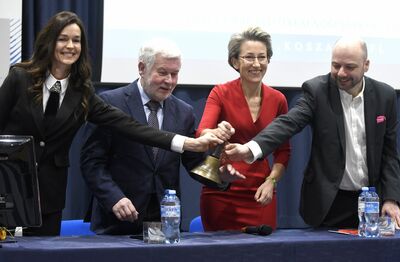
Koszalin University of Technology (KUT), in collaboration with the Warsaw Stock Exchange Foundation, launched its Stock Exchange School. The program offers hybrid courses—’Investment Basics’ and ‘Stock Exchange for Intermediate Investors’—aimed at spreading financial knowledge. The initiative links financial education with the principles of sustainable development and socially responsible investing (SRI), supporting the Green Economy (GE) cluster. Graduates receive microcredentials from KUT.
Publication “Digital Skills in the Future of Work”
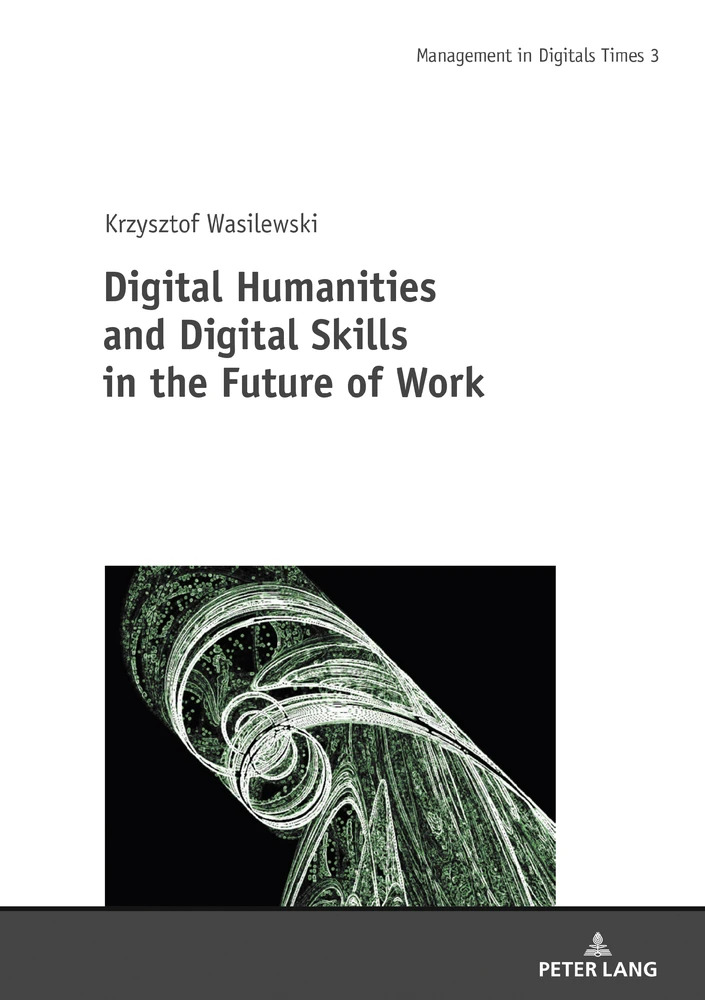
The publication “Digital Humanities and Digital Skills in the Future of Work” explores the evolving role of digital humanities in shaping future workplaces. Contributed by scholars from EU4Dual and Ukrainian institutions, the volume examines how digital skills and technologies like AI and Industry 4.0 influence science, labor, and cultural heritage. Emphasizing applied and collaborative research, it offers insights into the practical integration of digital humanities in education and industry, addressing key future work trends.
Conference “Digital Skills in the Future of Work” (June 2024)
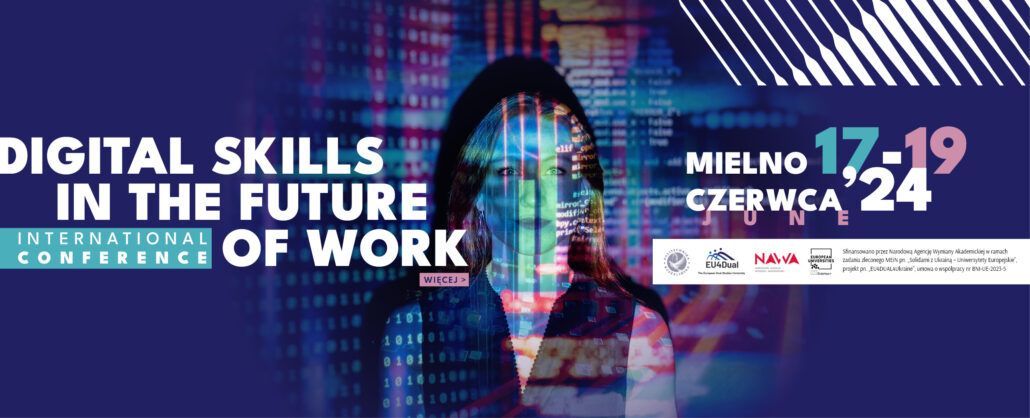
The conference focused on EU4Dual’s priorities, aiming to exchange knowledge and enhance cooperation between EU4Dual and Ukrainian universities under the EU4DUAL4Ukraine project. It addressed the Future of Work, digital skills, and the role of AI in dual education. The event included contributions from European partners and businesses, presented preliminary research results, and hosted the first Grand Challenges Forum, fostering dynamic, transnational dialogue.
Future of Work – Future of Education” (June 2023)
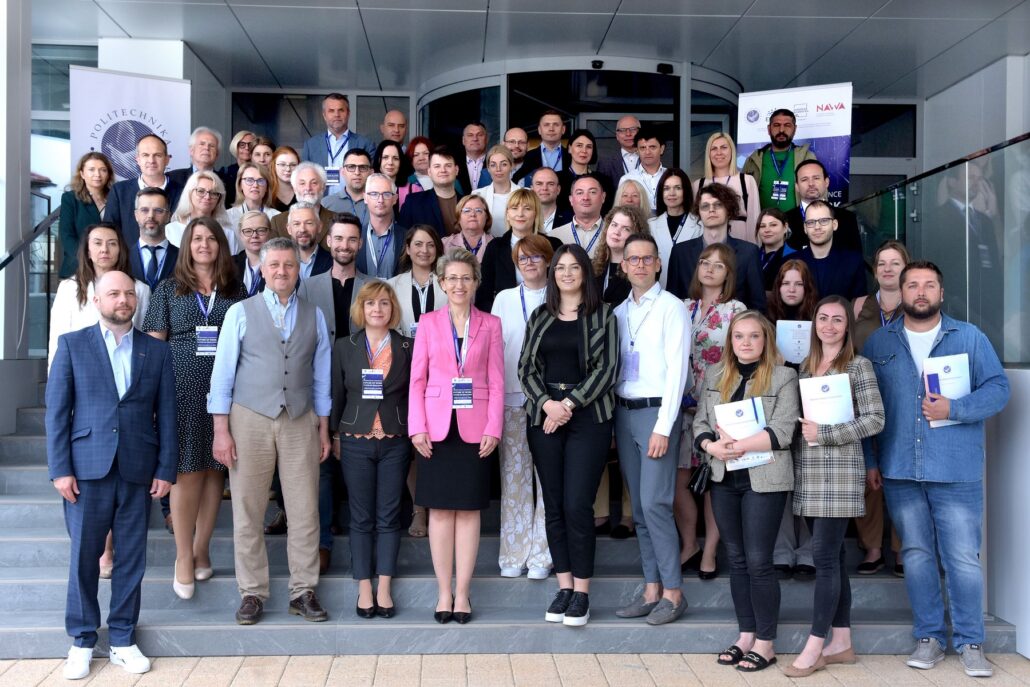
The international conference “Future of Work – Future of Education” took place in June 2023, focusing on dual education, intercultural communication, and cooperation between academia and industry. Participants presented research on the future of work and education, engaging in debates with entrepreneurs. Representatives from various European universities joined discussions to assess the initiative’s progress, creating a dynamic platform for knowledge exchange and international partnerships.
Policy white paper 2025

The The European Dual Studies University policy white paper 2025 sets out how to advance dual education across Europe. Dual education combines academic study with real workplace experience. The research shows students want better support to manage heavy workloads while gaining practical skills. Businesses need simpler ways to join programmes, especially small companies. Regional governments […]