
ESTABLISHING LOGISTICS START-UP COMPANIES: THE ROLE OF INSTITUTIONS

The article examines the macroeconomic role of institutions in encouraging logistics start-up companies in the transportation and warehousing sector. It assumes start-ups succeed better in countries with high-quality institutional systems. Using comparative analysis and econometric models, the study compares statistical data of EU member states, integrating indices like the World Governance Indicator and Human Development Index to demonstrate the crucial role of institutions in fostering successful logistics ventures.
MINERAL ELEMENT CONTENT OF ORGANICALLY VERSUS CONVENTIONALLY GROWN STRAWBERRIES
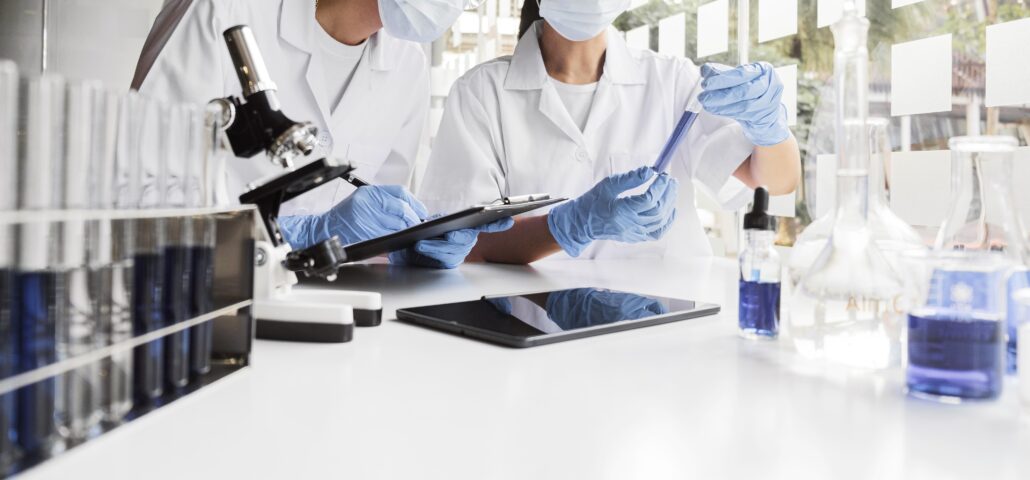
Fruit mineral content is vital to human health, with strawberries being rich in K, P, Mg, and Ca. This research compared organic and conventional strawberries grown on adjacent plots, utilizing microbial biostimulants. Results showed minor differences in mineral content, with bacterial inoculants enhancing uptake. However, no consistent nutritional advantage was found for organic fruits over conventional ones in terms of micronutrient content, suggesting that complex environmental factors heavily influence the final composition.
CALCULATION OF THE ECOLOGICAL FOOTPRINT OF JOHN VON NEUMANN UNIVERSITY
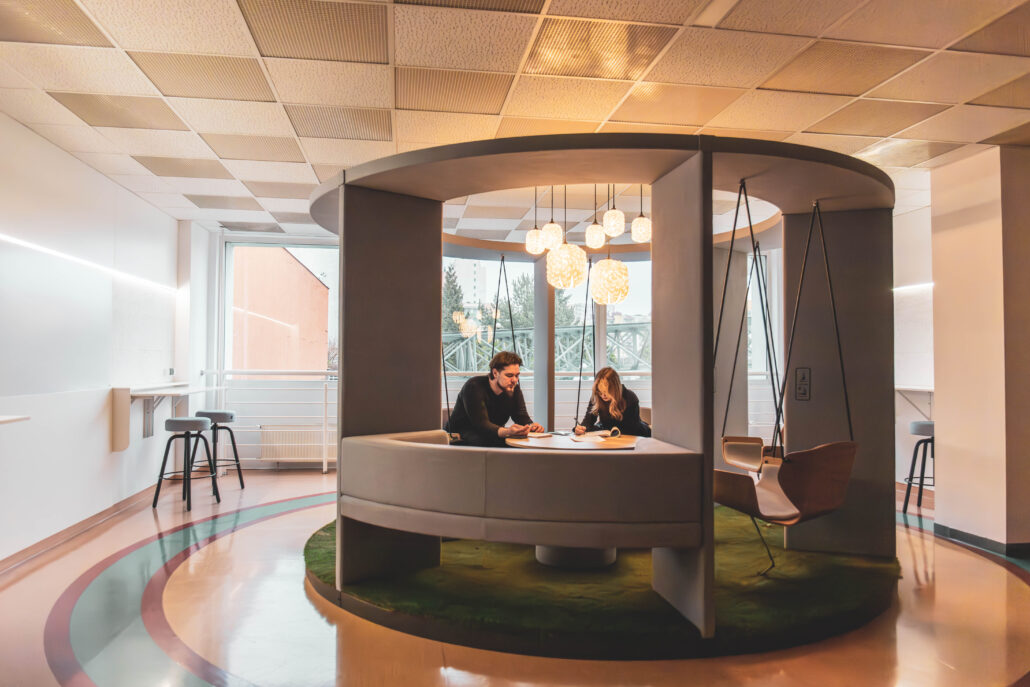
Integrating sustainability is crucial for universities, which play a pivotal role in shaping students’ values and worldviews regarding future generations. Recognizing this responsibility, a growing number of higher education institutions are implementing dedicated green initiatives to minimize their ecological footprint. This paper provides a comprehensive analysis of the ecological footprint of John von Neumann University, offering insights into its sustainability efforts and their broader implications.
Publication “Digital Skills in the Future of Work”
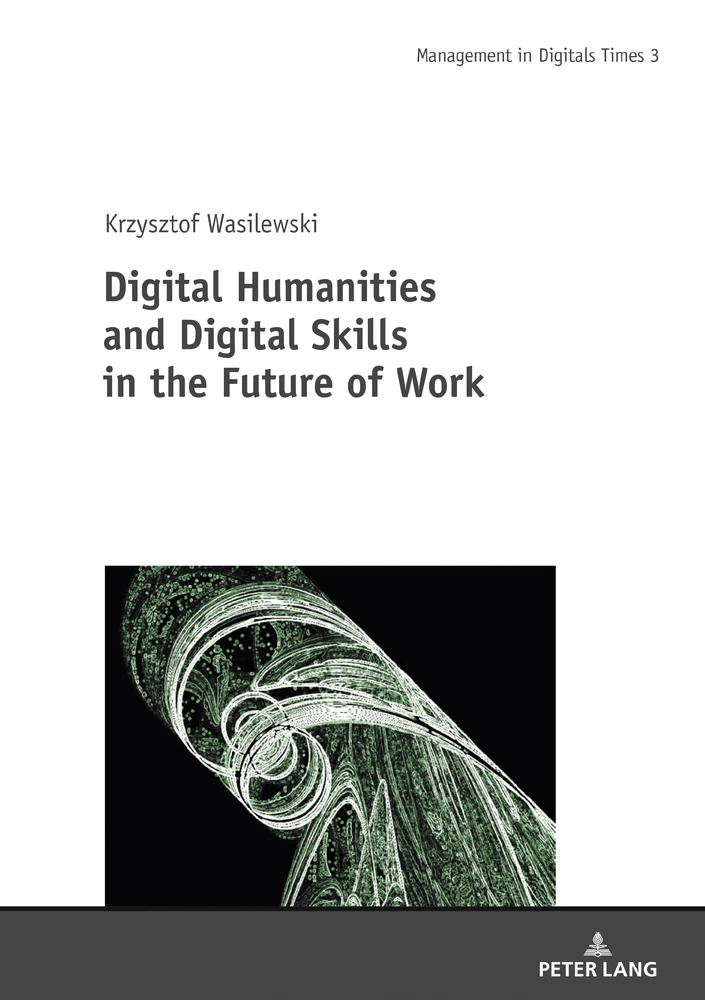
The publication “Digital Humanities and Digital Skills in the Future of Work” explores the evolving role of digital humanities in shaping future workplaces. Contributed by scholars from EU4Dual and Ukrainian institutions, the volume examines how digital skills and technologies like AI and Industry 4.0 influence science, labor, and cultural heritage. Emphasizing applied and collaborative research, it offers insights into the practical integration of digital humanities in education and industry, addressing key future work trends.
Giving New Life to Wind Turbine Blades Through Innovation and Sustainability
The EU-funded EoLO-HUBs project is developing innovative solutions to efficiently dismantle, recycle, and reuse end-of-life wind turbine blades. The research focuses on improving low-carbon thermal and chemical recycling technologies to recover high-quality materials, like reinforced fibres, for reuse in construction and automotive industries, promoting a circular economy. The project also includes a Knowledge Hub to share best practices and connect experts in sustainable blade management.