
OSNIVANJE LOGISTIČKIH START-UP KOMPANIJA: ULOGA INSTITUCIJA

Članak ispituje makroekonomsku ulogu institucija u poticanju logističkih start-up tvrtki u sektoru prijevoza i skladištenja. Pretpostavlja se da start-up tvrtke uspješnije posluju u zemljama s visokokvalitetnim institucionalnim sustavima. Korištenjem komparativne analize i ekonometrijskih modela, studija uspoređuje statističke podatke država članica EU, integrirajući indekse poput Svjetskog pokazatelja upravljanja (World Governance Indicator) i Indeksa ljudskog razvoja (Human Development Index) kako bi se demonstrirala ključna uloga institucija u promicanju uspješnih logističkih pothvata.
SADRŽAJ MINERALNIH ELEMENATA U EKOLOŠKI UZGOJENIM NASUPROT TRADICIONALNO UZGOJENIM JAGODAMA

Mineralni sastav voća ključan je za ljudsko zdravlje, a jagode su bogate K, P, Mg i Ca. Ovo istraživanje usporedilo je organske i konvencionalne jagode uzgojene na susjednim parcelama, koristeći mikrobne biostimulante. Rezultati su pokazali manje razlike u mineralnom sastavu, s tim da su bakterijski inokulanti poboljšali unos. Međutim, nije pronađena dosljedna nutritivna prednost organskog voća u odnosu na konvencionalno u smislu sadržaja mikronutrijenata, što sugerira da složeni faktori okoliša snažno utječu na konačni sastav.
IZRAČUN EKOLOŠKOG OTISKA SVEUČILIŠTA JOHN VON NEUMANN

Integrating sustainability is crucial for universities, which play a pivotal role in shaping students’ values and worldviews regarding future generations. Recognizing this responsibility, a growing number of higher education institutions are implementing dedicated green initiatives to minimize their ecological footprint. This paper provides a comprehensive analysis of the ecological footprint of John von Neumann University, offering insights into its sustainability efforts and their broader implications.
Modeling The Dynamics Of Digital Skills Development In Hungary And The EU: A Markov Chain Approach

This paper models digital skills dynamics in Hungary and the EU using Markov Chains, a novel method for tracking skill level transitions. Based on the 2017–2022 DESI data, the study highlights significant disparities between Hungary and the EU in ICT training and specialization. The analysis provides policymakers with essential insights into skill gaps, aiding the development of concrete actions to support Hungary’s digital transformation and future workforce strategies.
Publication “Digital Skills in the Future of Work”
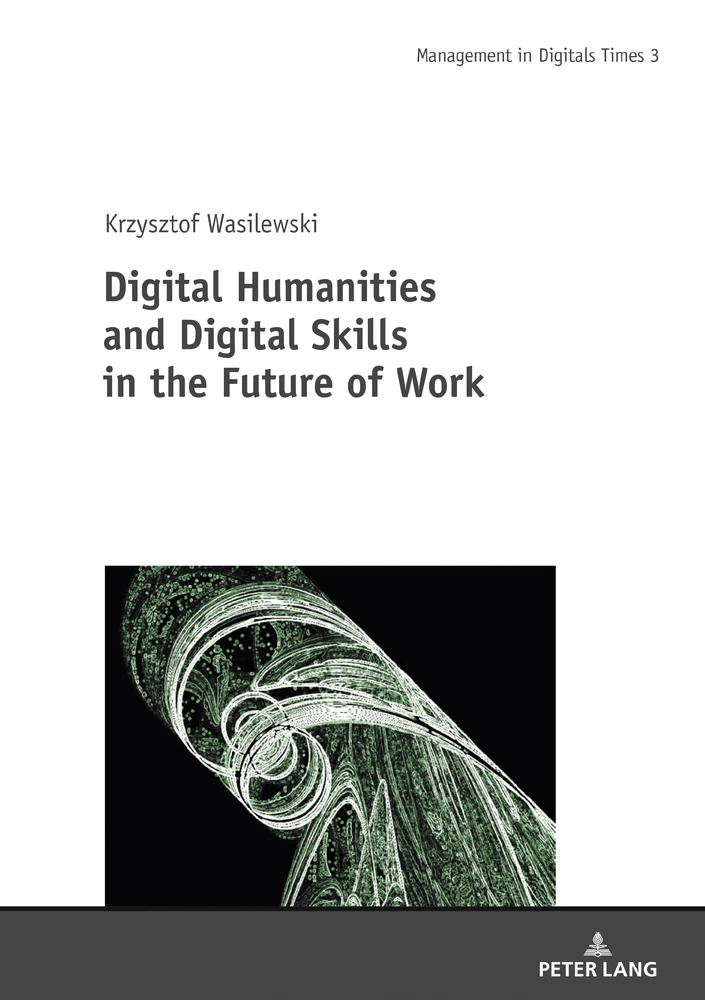
The publication “Digital Humanities and Digital Skills in the Future of Work” explores the evolving role of digital humanities in shaping future workplaces. Contributed by scholars from EU4Dual and Ukrainian institutions, the volume examines how digital skills and technologies like AI and Industry 4.0 influence science, labor, and cultural heritage. Emphasizing applied and collaborative research, it offers insights into the practical integration of digital humanities in education and industry, addressing key future work trends.
Conference “Digital Skills in the Future of Work” (June 2024)
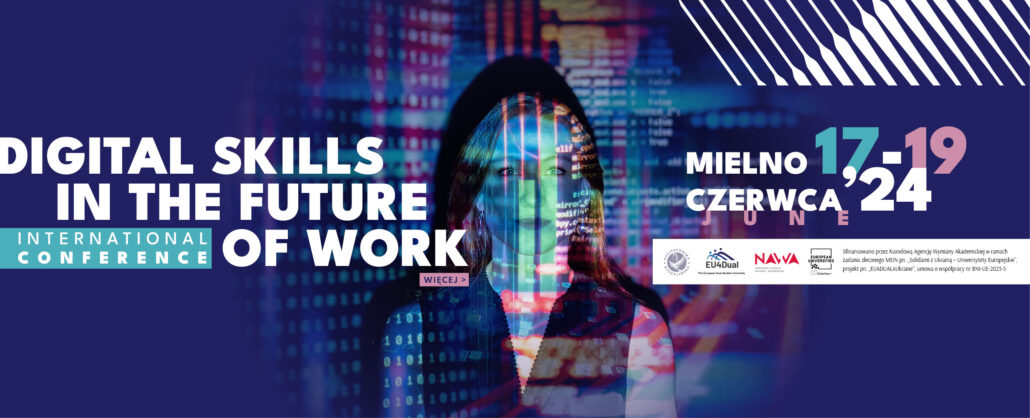
The conference focused on EU4Dual’s priorities, aiming to exchange knowledge and enhance cooperation between EU4Dual and Ukrainian universities under the EU4DUAL4Ukraine project. It addressed the Future of Work, digital skills, and the role of AI in dual education. The event included contributions from European partners and businesses, presented preliminary research results, and hosted the first Grand Challenges Forum, fostering dynamic, transnational dialogue.
Future of Work – Future of Education” (June 2023)
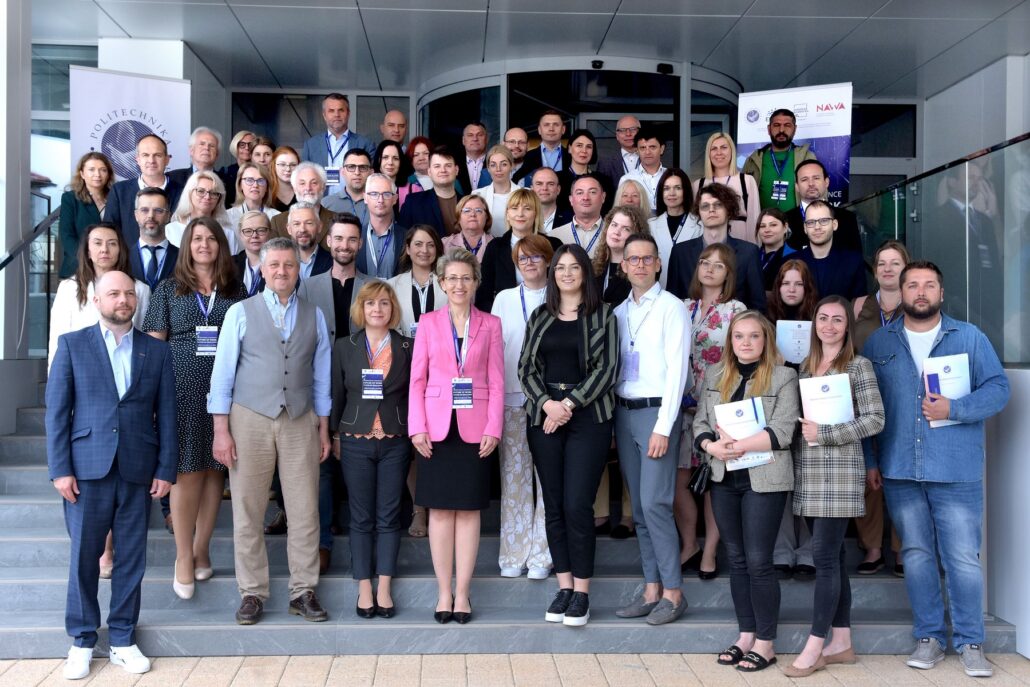
The international conference “Future of Work – Future of Education” took place in June 2023, focusing on dual education, intercultural communication, and cooperation between academia and industry. Participants presented research on the future of work and education, engaging in debates with entrepreneurs. Representatives from various European universities joined discussions to assess the initiative’s progress, creating a dynamic platform for knowledge exchange and international partnerships.
Preventing Cognitive Decline Through Healthy Habits and Nutrition
The CITA GO-ON study, in which Mondragon Unibertsitatea participates, aims to prevent cognitive decline in over 1,000 older adults by promoting healthy habits, cardiovascular health, and cognitive stimulation. The two-year project features interventions like physical activity and emotional training, with a strong focus on nutrition. Nutritional workshops, led by BCC Innovation, teach participants about brain-healthy foods and cooking techniques to support long-term cognitive function.
Revolutionizing Workplace Safety: Collaborative Robots Empower Workers with Disabilities
Mondragon Unibertsitatea researchers participated in a project combining robotics and AI to improve safety for workers with disabilities. Their focus was a refrigerator dismantling process, previously risking muscle strain. The team developed a robot-human collaborative system using AI vision to handle the magnetic seal removal. A real-time monitoring system, tested via reinforcement learning in a simulation environment, ensures worker safety and efficient coordination in the new process.
Adapting Knowledge to Changing Roles: EZATECH Supports Employee Development
Mondragon Unibertsitatea participates in the EZATECH project, which addresses the need for employees to acquire new skills as their roles evolve. The project created a 7-phase knowledge management framework supported by a technological platform. This tool tracks employee knowledge evolution, detects skill gaps, and identifies growth opportunities, helping organizations align training with strategic goals. Applied successfully in industry and education, EZATECH effectively supports employee development.