
Challenges in creating pedagogical materials for the industrial environment
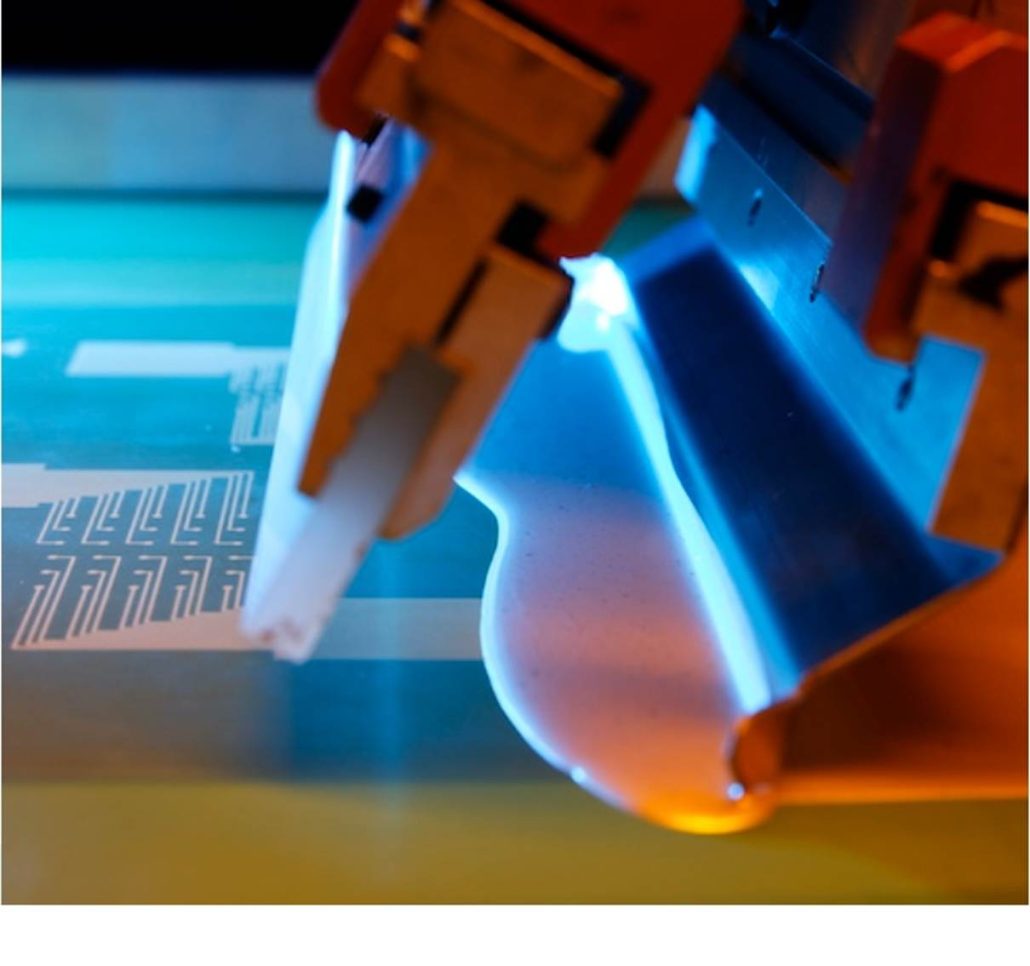
Industry 4.0 is transforming manufacturing — and training must keep pace. We explore the challenges of designing pedagogical materials for industrial operators: from knowledge gaps and time constraints, to language barriers and resistance to new technologies.
Innovative training materials — IoT integrated into composite material manufacturing

IoT is reshaping composite manufacturing — but are engineers ready? We look at new training materials designed to bridge the gap between telecommunications and mechanical engineering students, using real-world industrial applications as the learning context.
What gap analysis reveals — operators’ needs in the Industry 4.0 era
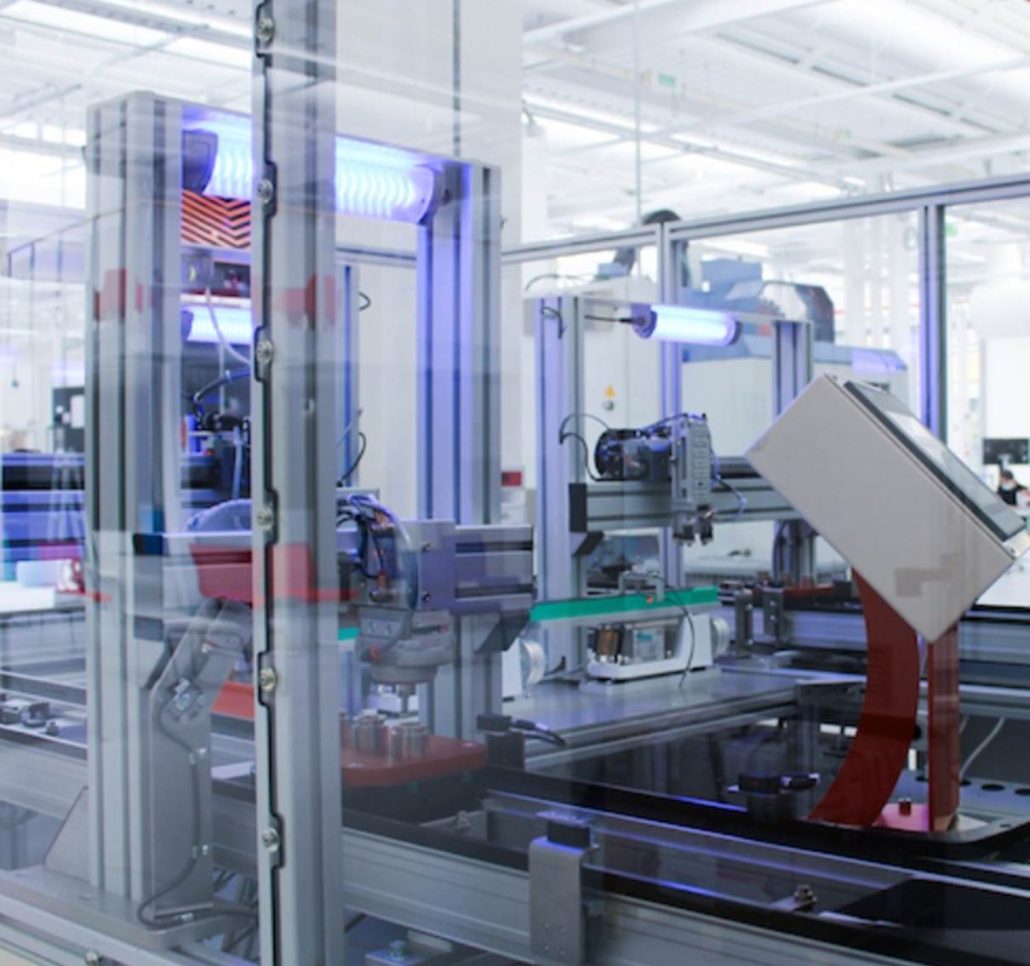
Gap analysis is a powerful tool for industrial transition. We examine what it reveals about operators’ skill needs as manufacturers move from machine automation to connected, data-driven systems — and why training design must follow.
Co-Creation Session on Circular Business Models for the Textile Industry under Horizon Europe
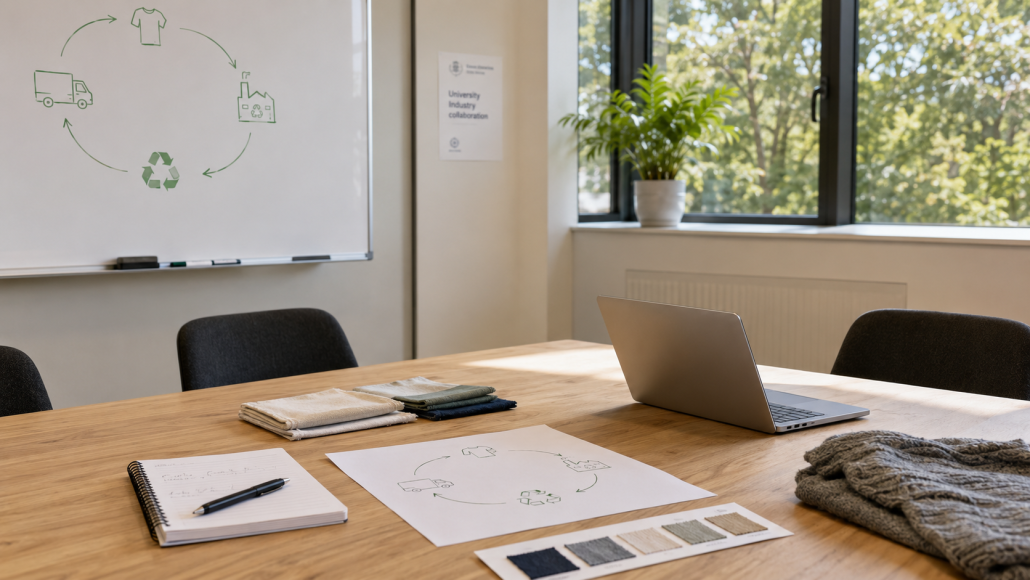
On 15 May, 2025, a co-creation session brought together representatives from Savonia, MUE, MGEP, ESTIA and Zabala to collaboratively explore a Horizon Europe call focused on circular business models in the textile industry. The session began with a warm-up exchange aimed at presenting the research teams and their respective approaches, followed by a joint working session to integrate knowledge and develop concrete ideas. Although the exercise did not result in a project proposal, it fostered
CRÉATION DE START-UPS LOGISTIQUES : LE RÔLE DES INSTITUTIONS

L'article examine le rôle macroéconomique des institutions dans l'encouragement des jeunes entreprises de logistique dans le secteur du transport et de l'entreposage. Il suppose que les start-ups réussissent mieux dans les pays dotés de systèmes institutionnels de haute qualité. À l'aide d'une analyse comparative et de modèles économétriques, l'étude compare des données statistiques des États membres de l'UE, en intégrant des indices tels que l'Indicateur mondial de gouvernance et l'Indice de développement humain pour démontrer le rôle crucial des institutions dans la promotion d'entreprises logistiques prospères.
TENEUR EN ÉLÉMENTS MINÉRAUX DES FRAISES CULTIVÉES BIOLOGIQUEMENT ET CONVENTIONNELLEMENT
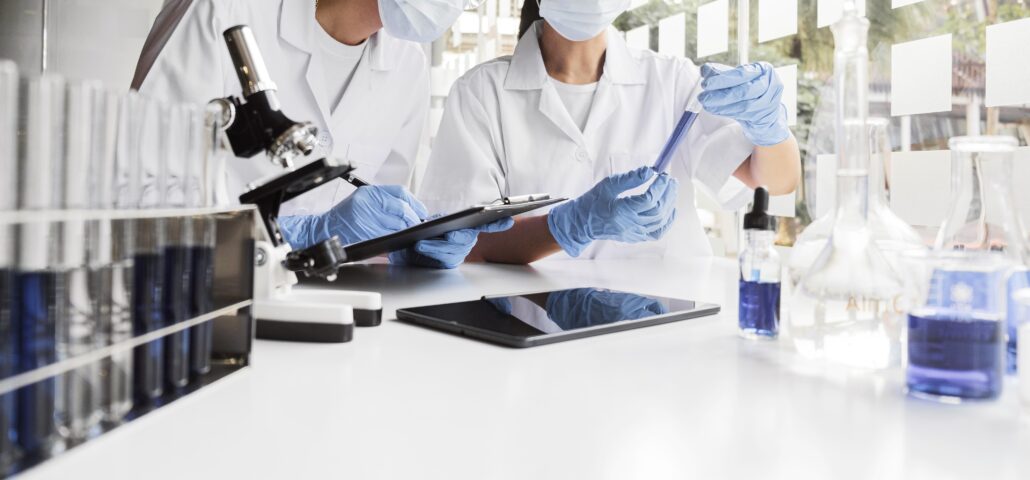
La teneur en minéraux des fruits est essentielle à la santé humaine, les fraises étant riches en K, P, Mg et Ca. Cette recherche a comparé des fraises biologiques et conventionnelles cultivées sur des parcelles adjacentes, en utilisant des biostimulants microbiens. Les résultats ont montré des différences mineures dans la teneur en minéraux, les inoculums bactériens améliorant l'absorption. Cependant, aucun avantage nutritionnel constant n'a été trouvé pour les fruits biologiques par rapport aux fruits conventionnels en termes de teneur en micronutriments, suggérant que des facteurs environnementaux complexes influencent fortement la composition finale.
CALCUL DE L'EMPREINTE ÉCOLOGIQUE DE L'UNIVERSITÉ JOHN VON NEUMANN
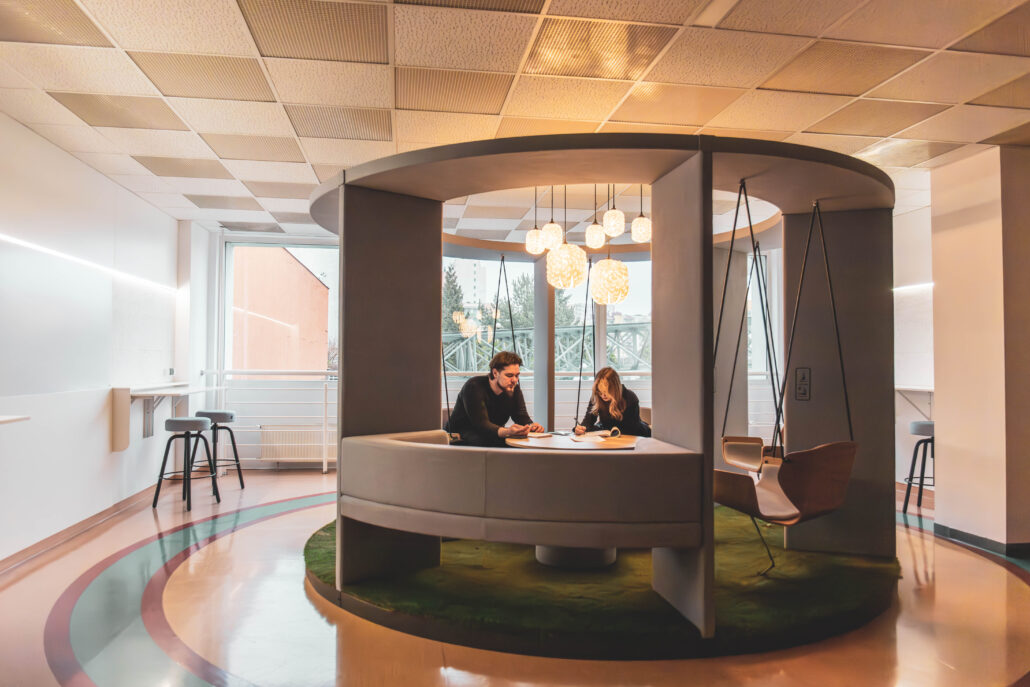
Integrating sustainability is crucial for universities, which play a pivotal role in shaping students’ values and worldviews regarding future generations. Recognizing this responsibility, a growing number of higher education institutions are implementing dedicated green initiatives to minimize their ecological footprint. This paper provides a comprehensive analysis of the ecological footprint of John von Neumann University, offering insights into its sustainability efforts and their broader implications.
Modeling The Dynamics Of Digital Skills Development In Hungary And The EU: A Markov Chain Approach

This paper models digital skills dynamics in Hungary and the EU using Markov Chains, a novel method for tracking skill level transitions. Based on the 2017–2022 DESI data, the study highlights significant disparities between Hungary and the EU in ICT training and specialization. The analysis provides policymakers with essential insights into skill gaps, aiding the development of concrete actions to support Hungary’s digital transformation and future workforce strategies.
Publication “Digital Skills in the Future of Work”
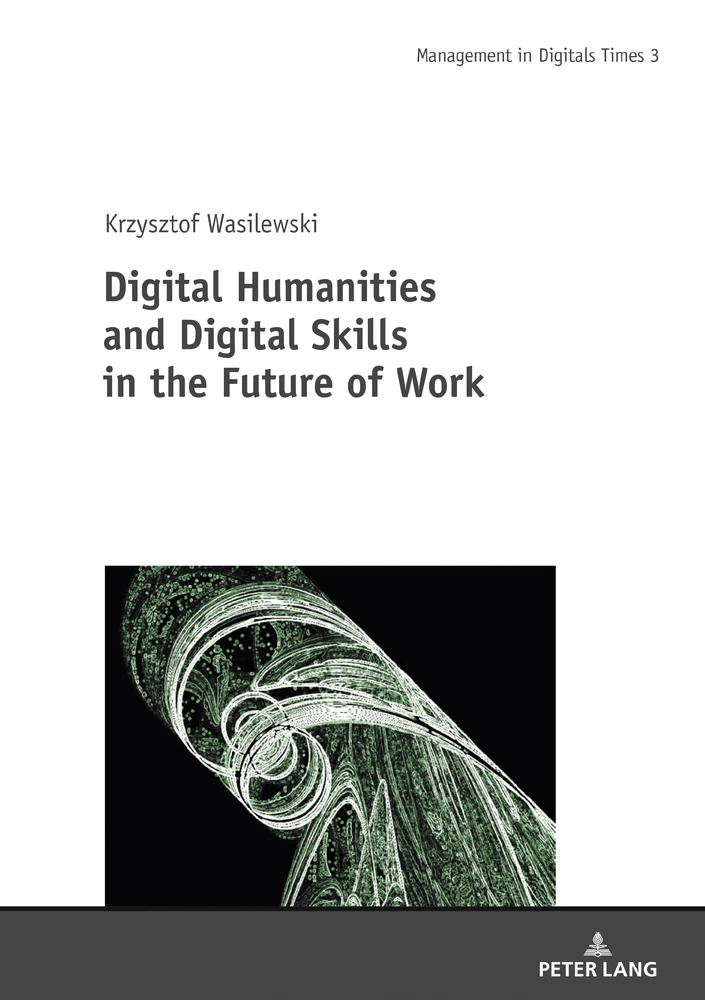
The publication “Digital Humanities and Digital Skills in the Future of Work” explores the evolving role of digital humanities in shaping future workplaces. Contributed by scholars from EU4Dual and Ukrainian institutions, the volume examines how digital skills and technologies like AI and Industry 4.0 influence science, labor, and cultural heritage. Emphasizing applied and collaborative research, it offers insights into the practical integration of digital humanities in education and industry, addressing key future work trends.
Conference “Digital Skills in the Future of Work” (June 2024)
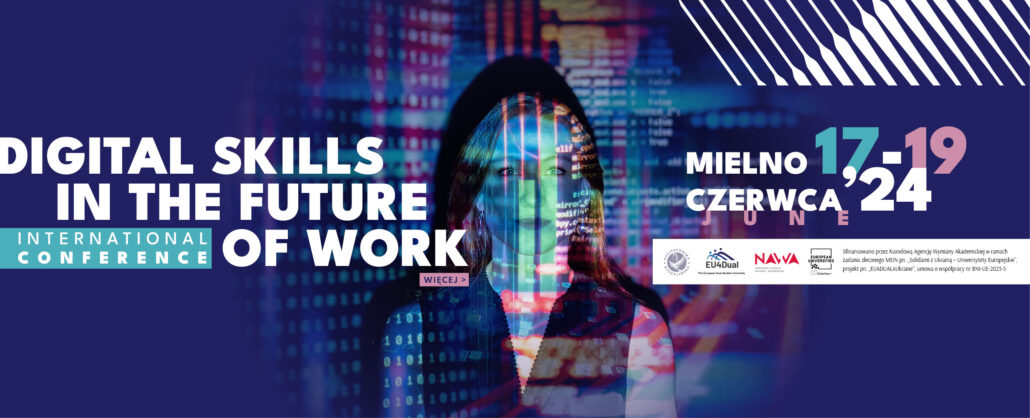
The conference focused on EU4Dual’s priorities, aiming to exchange knowledge and enhance cooperation between EU4Dual and Ukrainian universities under the EU4DUAL4Ukraine project. It addressed the Future of Work, digital skills, and the role of AI in dual education. The event included contributions from European partners and businesses, presented preliminary research results, and hosted the first Grand Challenges Forum, fostering dynamic, transnational dialogue.