
Challenges in creating pedagogical materials for the industrial environment
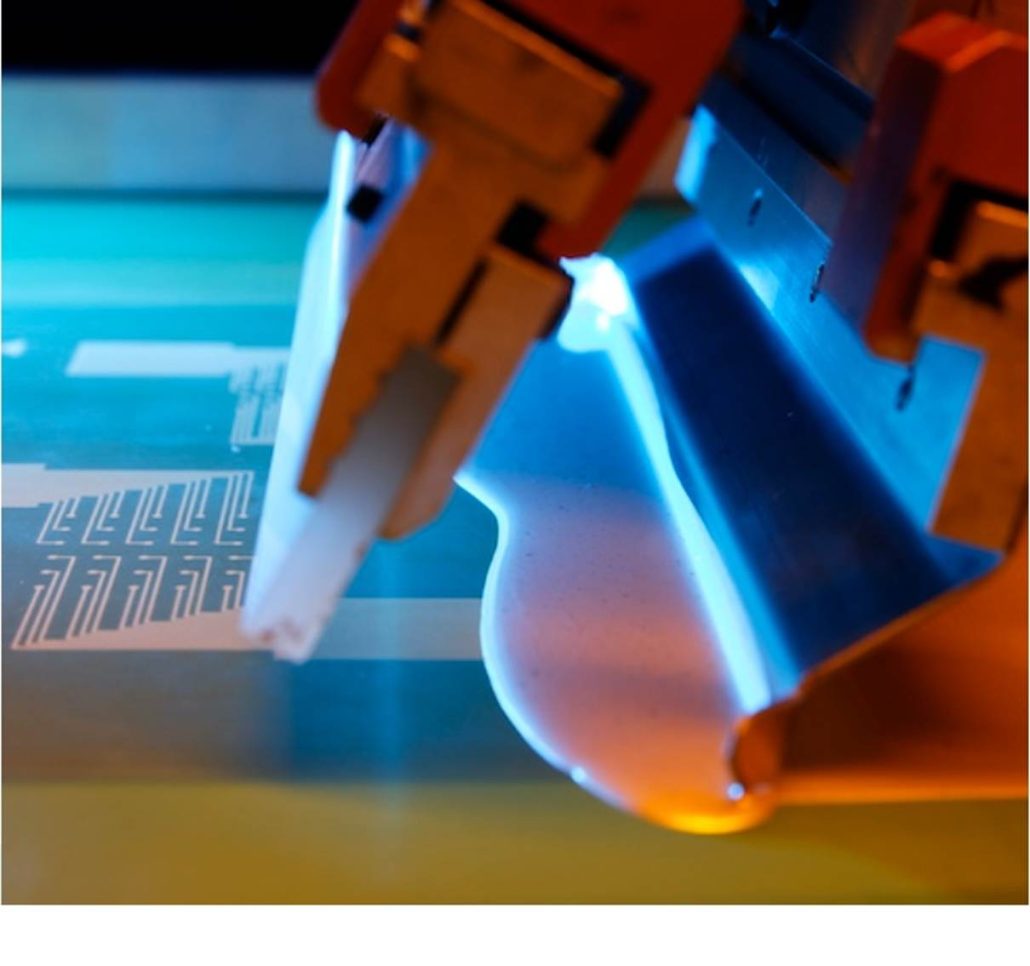
Industry 4.0 is transforming manufacturing — and training must keep pace. We explore the challenges of designing pedagogical materials for industrial operators: from knowledge gaps and time constraints, to language barriers and resistance to new technologies.
Innovative training materials — IoT integrated into composite material manufacturing

IoT is reshaping composite manufacturing — but are engineers ready? We look at new training materials designed to bridge the gap between telecommunications and mechanical engineering students, using real-world industrial applications as the learning context.
What gap analysis reveals — operators’ needs in the Industry 4.0 era
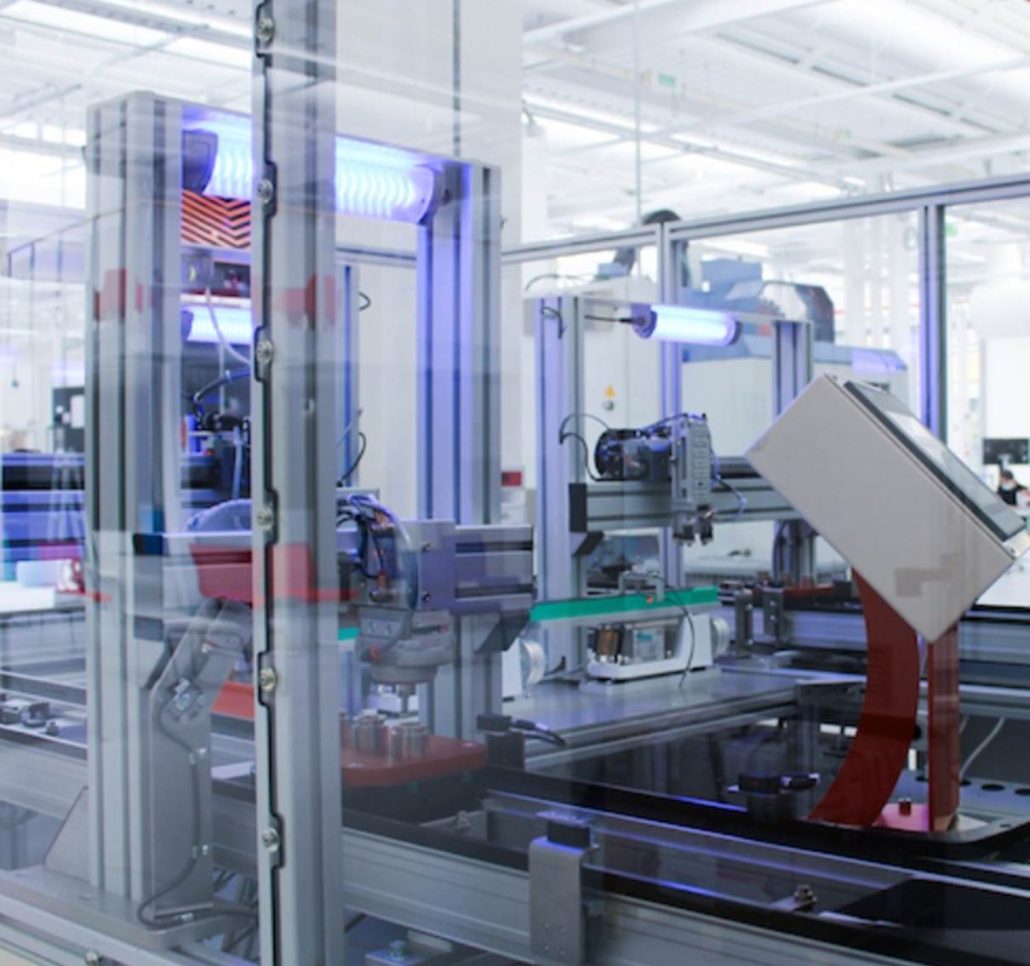
Gap analysis is a powerful tool for industrial transition. We examine what it reveals about operators’ skill needs as manufacturers move from machine automation to connected, data-driven systems — and why training design must follow.
Co-Creation Session on Circular Business Models for the Textile Industry under Horizon Europe
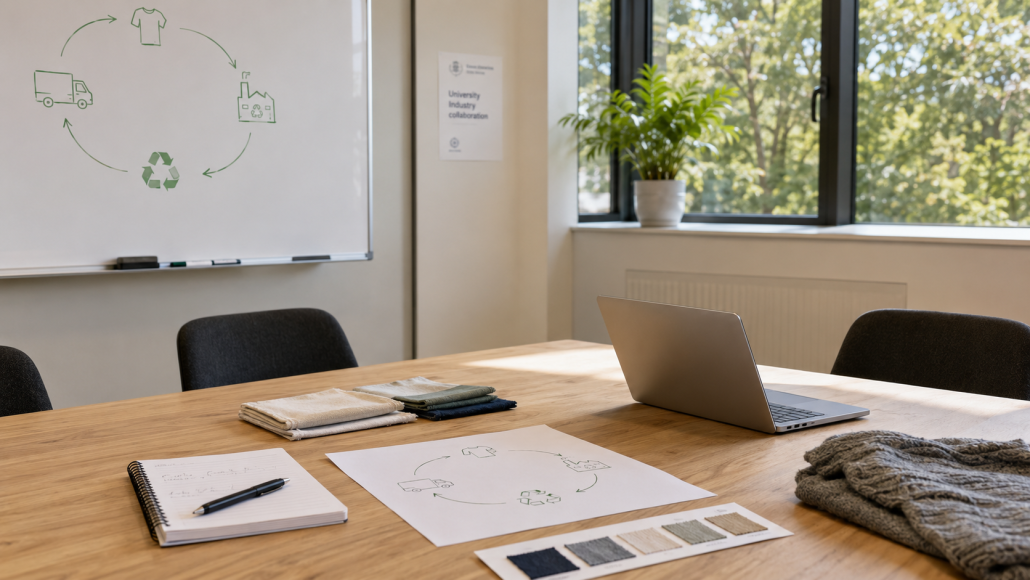
On 15 May, 2025, a co-creation session brought together representatives from Savonia, MUE, MGEP, ESTIA and Zabala to collaboratively explore a Horizon Europe call focused on circular business models in the textile industry. The session began with a warm-up exchange aimed at presenting the research teams and their respective approaches, followed by a joint working session to integrate knowledge and develop concrete ideas. Although the exercise did not result in a project proposal, it fostered
OSNIVANJE LOGISTIČKIH START-UP KOMPANIJA: ULOGA INSTITUCIJA
Članak ispituje makroekonomsku ulogu institucija u poticanju logističkih start-up tvrtki u sektoru prijevoza i skladištenja. Pretpostavlja se da start-up tvrtke uspješnije posluju u zemljama s visokokvalitetnim institucionalnim sustavima. Korištenjem komparativne analize i ekonometrijskih modela, studija uspoređuje statističke podatke država članica EU, integrirajući indekse poput Svjetskog pokazatelja upravljanja (World Governance Indicator) i Indeksa ljudskog razvoja (Human Development Index) kako bi se demonstrirala ključna uloga institucija u promicanju uspješnih logističkih pothvata.
SADRŽAJ MINERALNIH ELEMENATA U EKOLOŠKI UZGOJENIM NASUPROT TRADICIONALNO UZGOJENIM JAGODAMA
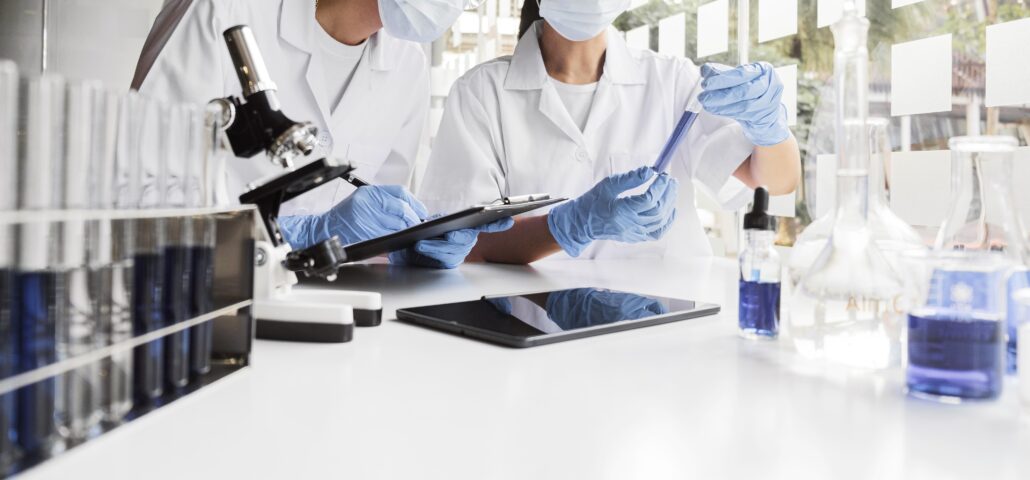
Mineralni sastav voća ključan je za ljudsko zdravlje, a jagode su bogate K, P, Mg i Ca. Ovo istraživanje usporedilo je organske i konvencionalne jagode uzgojene na susjednim parcelama, koristeći mikrobne biostimulante. Rezultati su pokazali manje razlike u mineralnom sastavu, s tim da su bakterijski inokulanti poboljšali unos. Međutim, nije pronađena dosljedna nutritivna prednost organskog voća u odnosu na konvencionalno u smislu sadržaja mikronutrijenata, što sugerira da složeni faktori okoliša snažno utječu na konačni sastav.
IZRAČUN EKOLOŠKOG OTISKA SVEUČILIŠTA JOHN VON NEUMANN
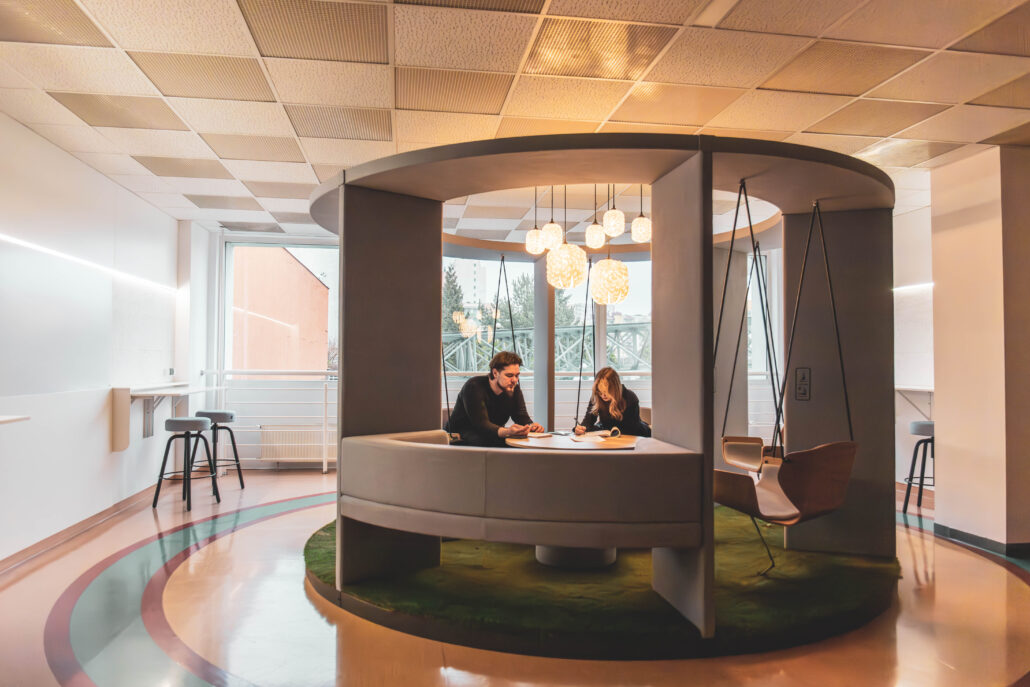
Integrating sustainability is crucial for universities, which play a pivotal role in shaping students’ values and worldviews regarding future generations. Recognizing this responsibility, a growing number of higher education institutions are implementing dedicated green initiatives to minimize their ecological footprint. This paper provides a comprehensive analysis of the ecological footprint of John von Neumann University, offering insights into its sustainability efforts and their broader implications.
Publication “Digital Skills in the Future of Work”
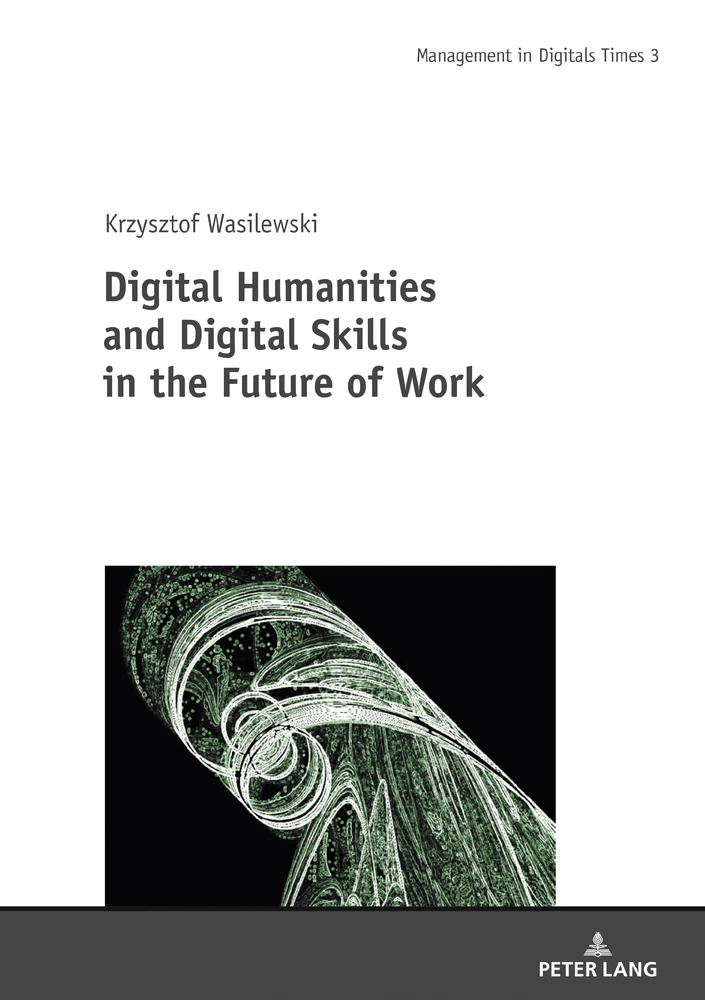
The publication “Digital Humanities and Digital Skills in the Future of Work” explores the evolving role of digital humanities in shaping future workplaces. Contributed by scholars from EU4Dual and Ukrainian institutions, the volume examines how digital skills and technologies like AI and Industry 4.0 influence science, labor, and cultural heritage. Emphasizing applied and collaborative research, it offers insights into the practical integration of digital humanities in education and industry, addressing key future work trends.
Giving New Life to Wind Turbine Blades Through Innovation and Sustainability
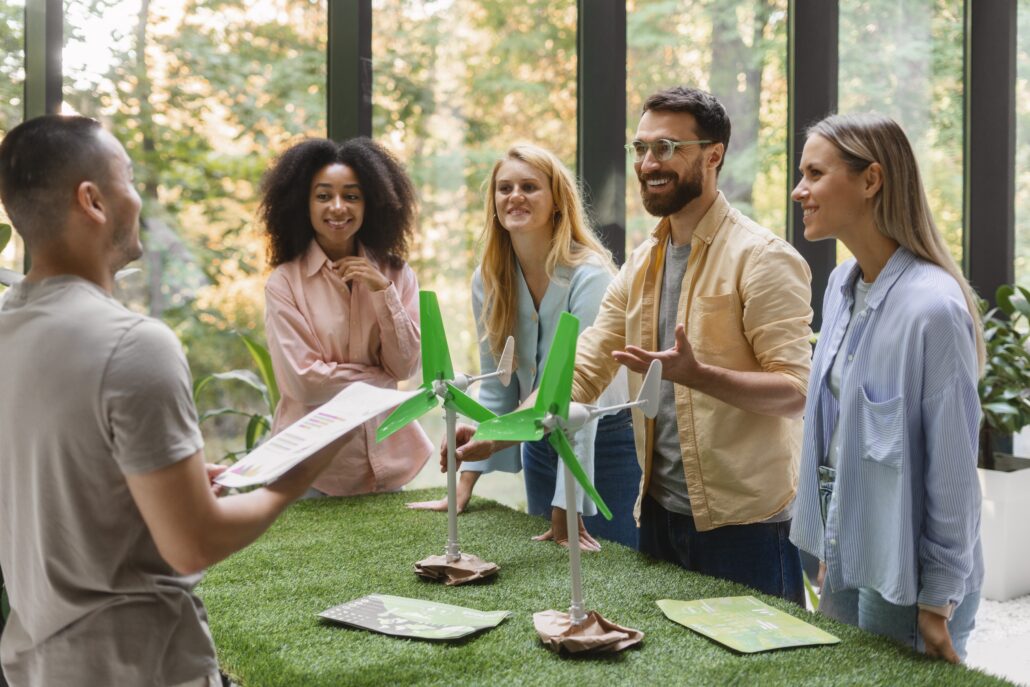
The EU-funded EoLO-HUBs project is developing innovative solutions to efficiently dismantle, recycle, and reuse end-of-life wind turbine blades. The research focuses on improving low-carbon thermal and chemical recycling technologies to recover high-quality materials, like reinforced fibres, for reuse in construction and automotive industries, promoting a circular economy. The project also includes a Knowledge Hub to share best practices and connect experts in sustainable blade management.