
CRÉATION DE START-UPS LOGISTIQUES : LE RÔLE DES INSTITUTIONS

L'article examine le rôle macroéconomique des institutions dans l'encouragement des jeunes entreprises de logistique dans le secteur du transport et de l'entreposage. Il suppose que les start-ups réussissent mieux dans les pays dotés de systèmes institutionnels de haute qualité. À l'aide d'une analyse comparative et de modèles économétriques, l'étude compare des données statistiques des États membres de l'UE, en intégrant des indices tels que l'Indicateur mondial de gouvernance et l'Indice de développement humain pour démontrer le rôle crucial des institutions dans la promotion d'entreprises logistiques prospères.
TENEUR EN ÉLÉMENTS MINÉRAUX DES FRAISES CULTIVÉES BIOLOGIQUEMENT ET CONVENTIONNELLEMENT
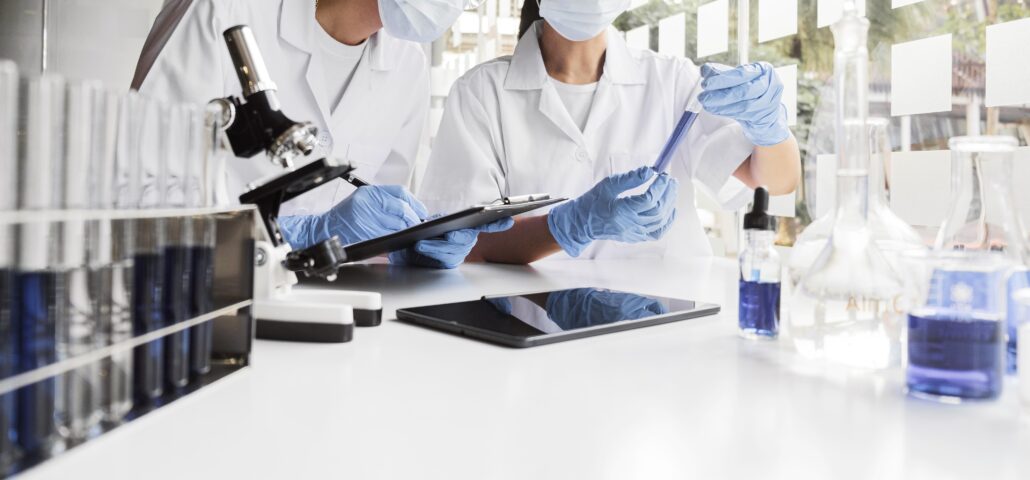
La teneur en minéraux des fruits est essentielle à la santé humaine, les fraises étant riches en K, P, Mg et Ca. Cette recherche a comparé des fraises biologiques et conventionnelles cultivées sur des parcelles adjacentes, en utilisant des biostimulants microbiens. Les résultats ont montré des différences mineures dans la teneur en minéraux, les inoculums bactériens améliorant l'absorption. Cependant, aucun avantage nutritionnel constant n'a été trouvé pour les fruits biologiques par rapport aux fruits conventionnels en termes de teneur en micronutriments, suggérant que des facteurs environnementaux complexes influencent fortement la composition finale.
CALCUL DE L'EMPREINTE ÉCOLOGIQUE DE L'UNIVERSITÉ JOHN VON NEUMANN
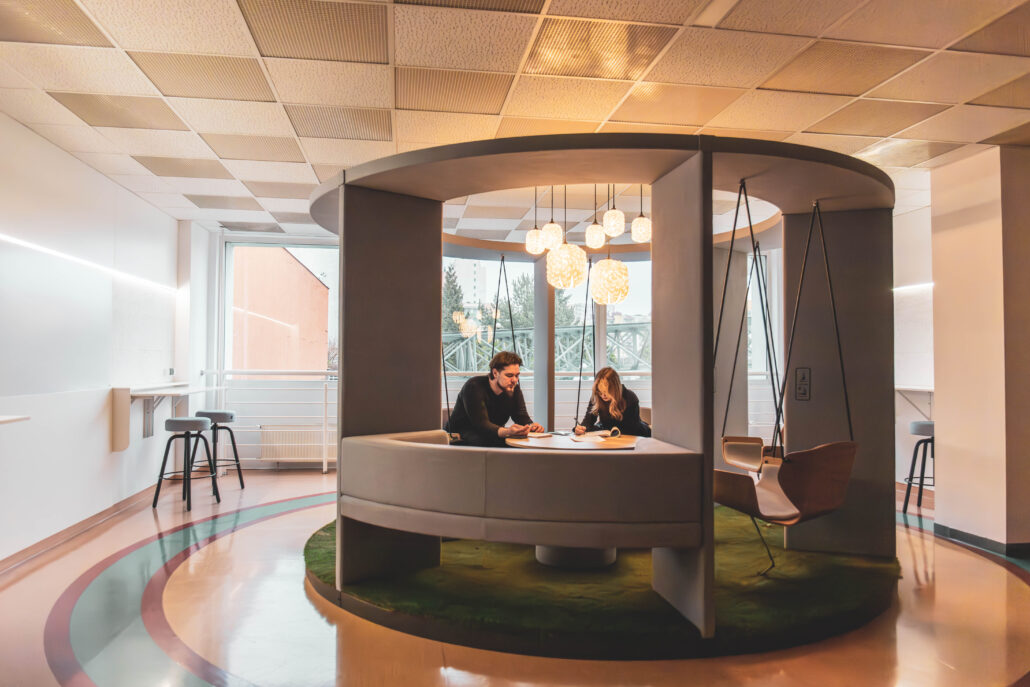
Integrating sustainability is crucial for universities, which play a pivotal role in shaping students’ values and worldviews regarding future generations. Recognizing this responsibility, a growing number of higher education institutions are implementing dedicated green initiatives to minimize their ecological footprint. This paper provides a comprehensive analysis of the ecological footprint of John von Neumann University, offering insights into its sustainability efforts and their broader implications.
Publication “Digital Skills in the Future of Work”
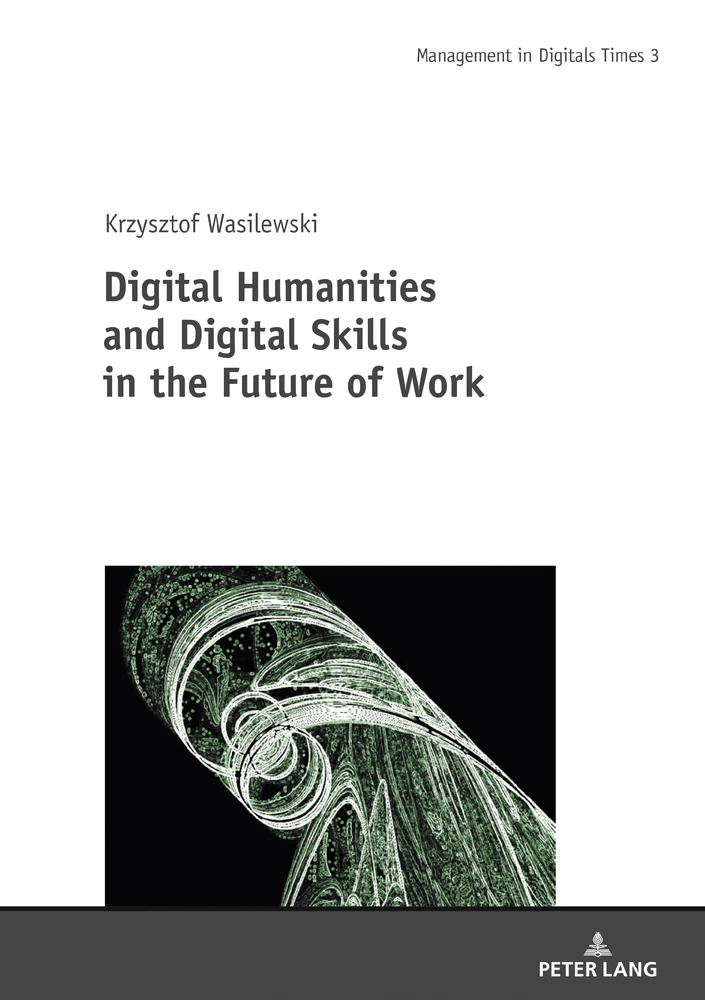
The publication “Digital Humanities and Digital Skills in the Future of Work” explores the evolving role of digital humanities in shaping future workplaces. Contributed by scholars from EU4Dual and Ukrainian institutions, the volume examines how digital skills and technologies like AI and Industry 4.0 influence science, labor, and cultural heritage. Emphasizing applied and collaborative research, it offers insights into the practical integration of digital humanities in education and industry, addressing key future work trends.
Giving New Life to Wind Turbine Blades Through Innovation and Sustainability
The EU-funded EoLO-HUBs project is developing innovative solutions to efficiently dismantle, recycle, and reuse end-of-life wind turbine blades. The research focuses on improving low-carbon thermal and chemical recycling technologies to recover high-quality materials, like reinforced fibres, for reuse in construction and automotive industries, promoting a circular economy. The project also includes a Knowledge Hub to share best practices and connect experts in sustainable blade management.